
HSC Chemistry Tutoring in Blacktown
Year 12 HSC Chemistry tutoring in Blacktown, covering Modules 5–8 from equilibrium to organic chemistry, with intensive past-paper and exam-technique work built in from Term 1. Taught by tutors averaging 97.0 ATAR.
What we cover
Aligned to the NSW NESA HSC Chemistry syllabus. We teach Modules 5–8 step by step, then drill them against past HSC papers so students can answer unseen, application-style questions for marks.
Equilibrium & Acid Reactions
Le Chatelier's principle, equilibrium constants and acid–base theory — often the most challenging module, taught step by step.
Acid/Base Reactions
Brønsted–Lowry model, buffers, titrations and indicators — calculation types drilled until they are automatic.
Organic Chemistry
Functional groups, reaction pathways and nomenclature. We teach pattern recognition so students can answer unseen questions.
Applying Chemical Ideas
Gravimetric and volumetric analysis, spectroscopy and monitoring the environment — practical skills and data interpretation.
Taught by someone who's done it.
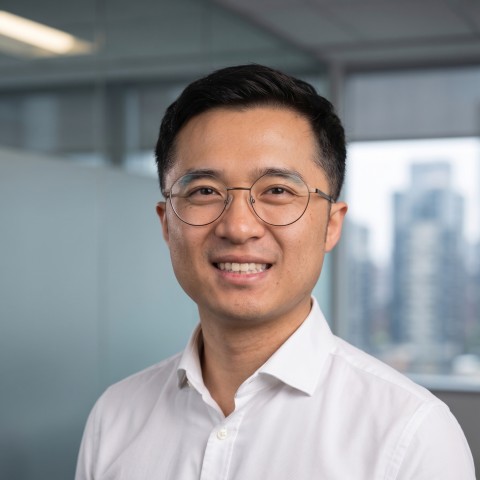
James Luong
ATAR 97.85Bachelor of Arts (Chemistry Honours, International Relations), Honours Class I The University of Sydney
Meet the whole teamThe Lux system for academic success.
Top tutors, a system for learning, and a supportive environment.
Top tutors
Our tutors have all scored in the highest result band (Band 6 or E4) in the subject they teach.
A science-based system
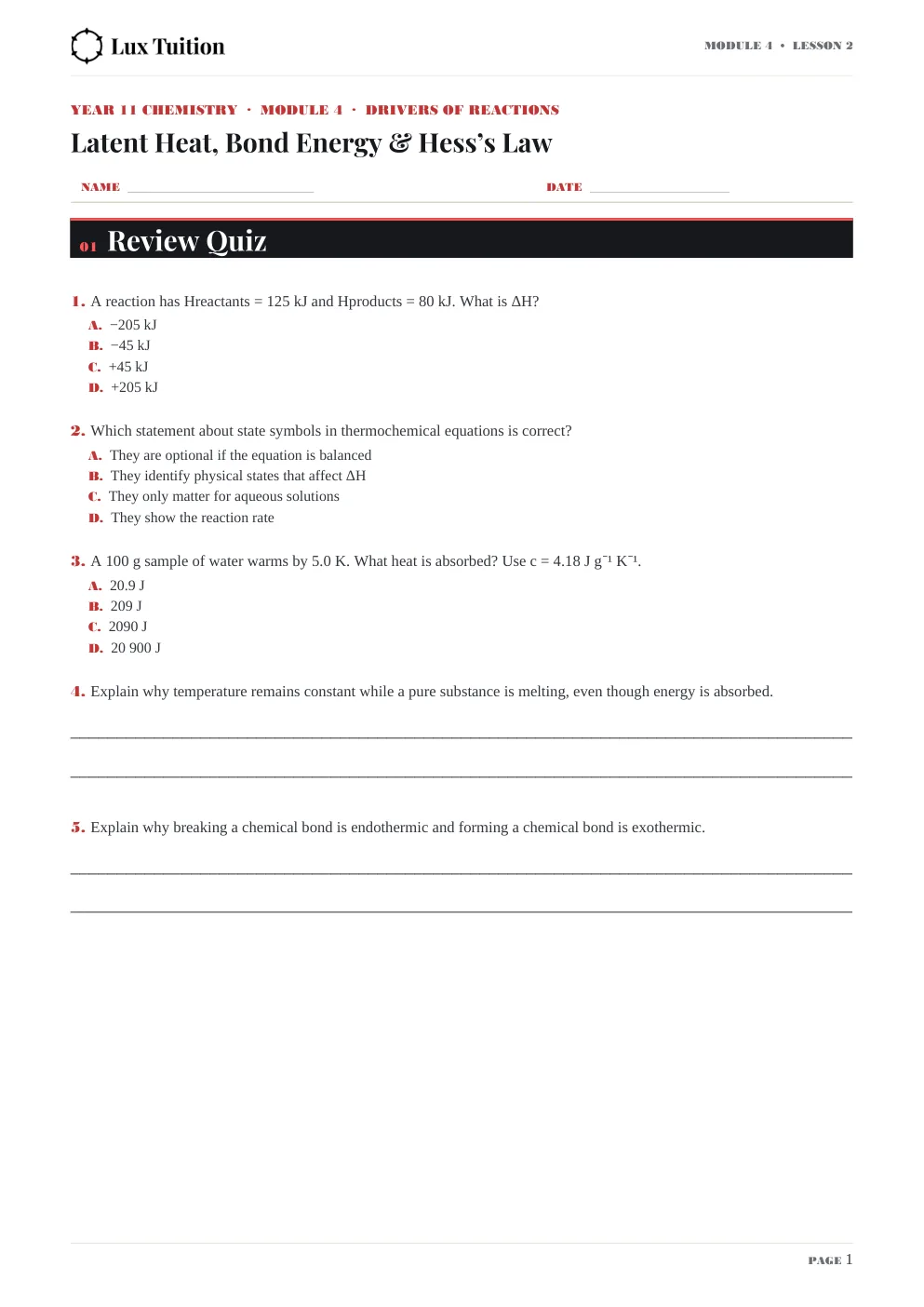
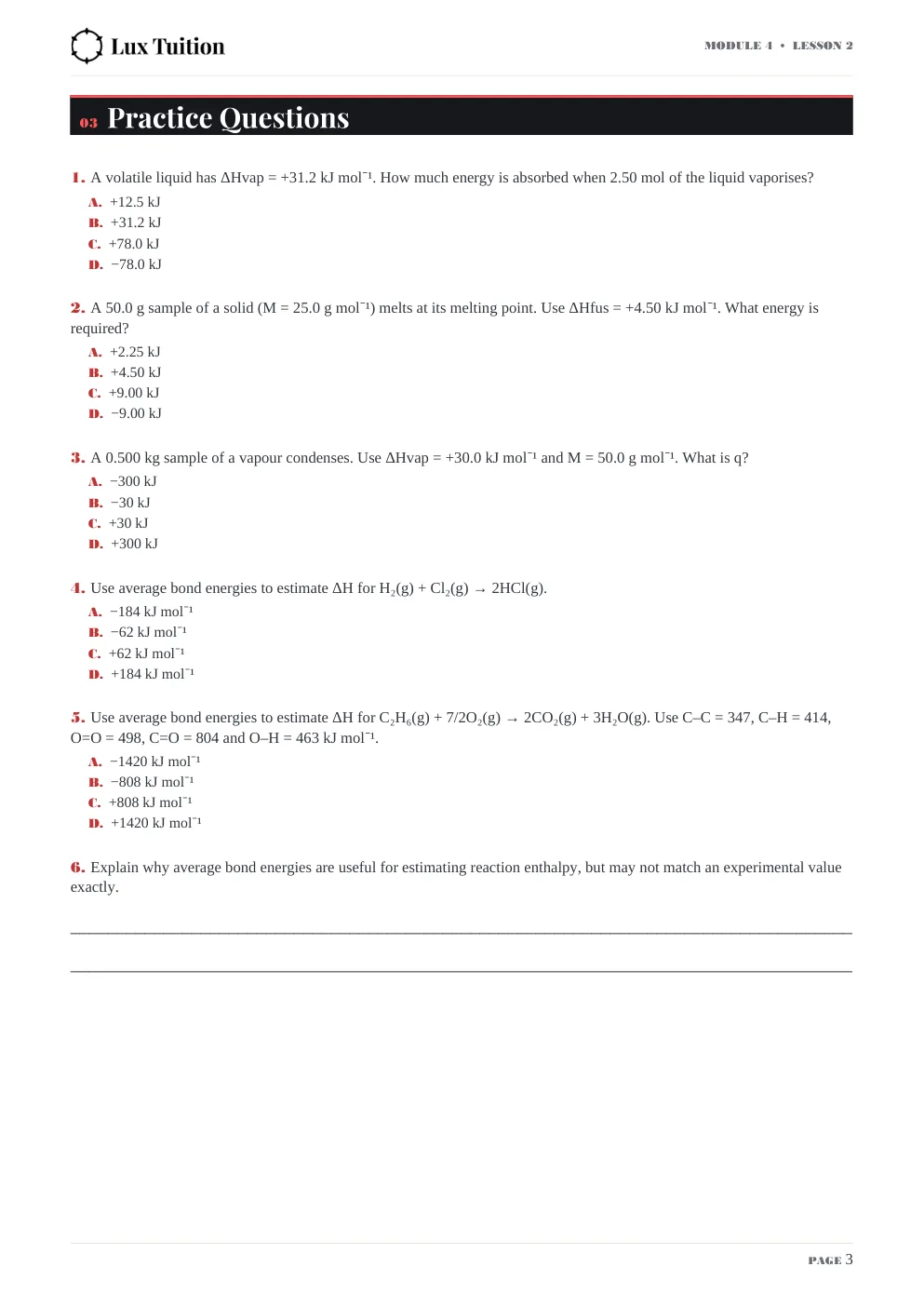
Teaching materials and homework drawn from the notes of the highest achievers, used in a six-stage lesson sequence built on cognitive science.
A supportive environment
Classes of 1–5, so no one gets lost at the back. A motivational space where students learn alongside top-achieving tutors and earn rewards for their hard work.
Inside the system · every class, six stages
Class review
Rapid retrieval practice of past concepts — active recall to beat the forgetting curve.
Explicit instruction
Theory broken into the smallest parts, taught in simple, consistent language.
Guided practice
Worked examples together, tutor scaffolding fading as competence grows.
Independent practice
Exam-style questions with instant feedback, so errors are caught before they stick.
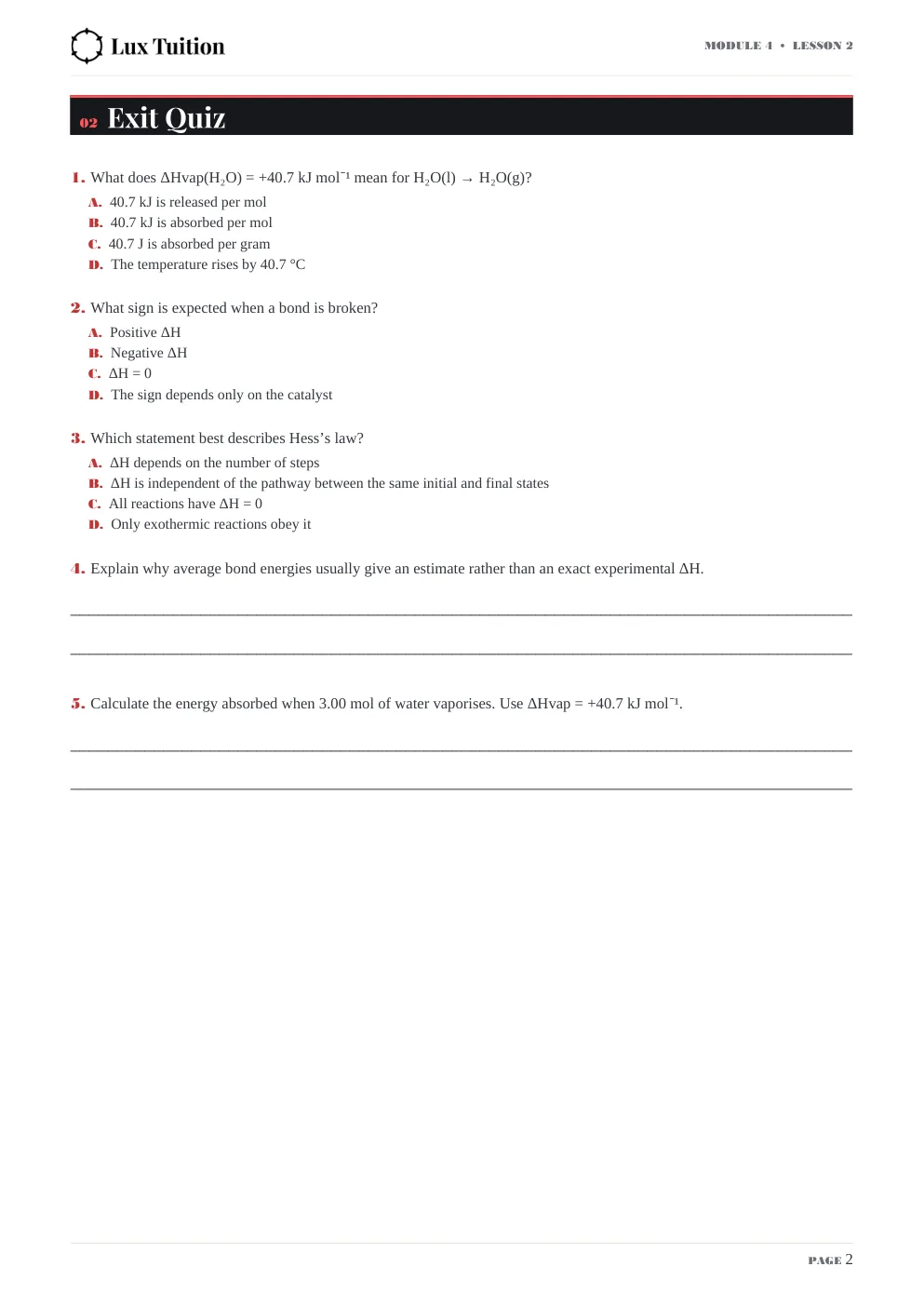
Exit test
A short end-of-class check on retention; targeted homework where needed.
Homework
Weekly consolidation that moves class learning into long-term memory.
Simple, transparent fees
Every new student's first enrolment is backed by our 30-day money-back guarantee: tell us or email us and we will refund you in full, no hoops to jump through. No enrolment fees, no lock-in contracts.
“I went from a Band 3 in my Trial to a Band 6 in the HSC. The way organic chemistry was broken down finally made it click.”
Common questions
Can I join in Year 12 without doing Year 11 with you?
Absolutely. Many students join at the start of Year 12. We quickly check for gaps in the Preliminary modules and shore them up so the HSC content has a solid base.
Do you do past HSC papers?
Yes — systematic past-paper practice runs through Terms 3 and 4, with marking against the NESA marking guidelines so students learn to write for marks.
Which parts of HSC Chemistry do students find hardest?
Module 5 (Equilibrium) and Module 7 (Organic Chemistry) are where most students lose marks. We spend extra time on Le Chatelier's principle and organic reaction pathways, building pattern recognition so unfamiliar questions don't throw students off.
What if I am behind in HSC Chemistry?
We start by checking the foundations that later modules depend on, then prioritise the syllabus points and question types that will make the biggest difference. You can join in Year 12 without having studied Year 11 with us.
How do you prepare students for HSC Chemistry assessments?
Lessons combine explicit teaching with guided and independent exam-style practice. We mark responses against NESA-style expectations, keep an error log, and use an exit test to check what has stuck before homework is set.
How big are the classes?
Classes are kept small — between 1 and 5 students — so every student gets personal attention and their questions actually get answered each lesson. Prefer one-on-one? Lux One Sessions, our private 1:1 tutoring, are available on request.
Can I try a class before enrolling?
Yes. Your first trial class is completely free, with no payment details required. If it's not the right fit, there's no obligation.
Where are classes held?
In person at our Blacktown centre on Main Street — easily reached from Seven Hills, Quakers Hill, Woodcroft, Marayong, Kings Langley, Doonside, Lalor Park, Rooty Hill and Penrith.
Ready to get started?
Enquire about a free Year 12 Chemistry class and we'll find a time that suits. No risk, no obligation — on us.